
Louisiana's Do Not Call law strictly regulates unsolicited commercial text messages, offering residents strong privacy protections. Law firms must adhere to this law by obtaining explicit consent before sending promotional texts, facing significant fines for non-compliance. Consumers can opt out of texts and report violations, with over 70% opting out in Louisiana. Robust opt-in mechanisms, detailed records of consent, and regular reviews are essential for businesses to avoid legal issues and build trust.
Louisiana residents are increasingly frustrated by unsolicited commercial spam text messages, a growing problem impacting their daily lives. These unwanted messages, often promoting legal services or scams, can be disruptive and invasive. While many states have implemented Do Not Call laws to mitigate this issue, Louisiana’s approach is unique with its specific prohibition on unsolicited text messages for commercial purposes. This article delves into the intricacies of Louisiana law, providing a comprehensive guide for both consumers and businesses to navigate these regulations effectively. By understanding the legal framework, we can foster a more respectful and compliant communication environment.
Louisiana Law: Spam Text Messages Restricted

Louisiana law takes a strong stance against unsolicited commercial spam text messages, offering residents substantial protections under the state’s Do Not Call laws. These regulations are designed to prevent intrusive marketing practices, ensuring citizens’ peace of mind and privacy. The Louisiana Unsolicited Commercial Text Message Act specifically prohibits businesses from sending promotional or advertising texts to individuals who have not agreed to receive them. This law underscores the state’s commitment to safeguarding its residents from annoying and often misleading messaging campaigns.
The implications for businesses are clear: any commercial text message sent to a Louisiana resident without prior consent may result in legal consequences. For instance, a 2022 case highlighted the state’s enforcement of these rules, with a company facing substantial fines for sending unsolicited spam texts promoting its services. This serves as a stark reminder that compliance is not just recommended but mandatory. To avoid such pitfalls, businesses should implement robust opt-in mechanisms and maintain detailed records of customer consent, demonstrating due diligence in adhering to Louisiana’s stringent text message regulations.
Practical advice for both businesses and consumers is paramount. Businesses must ensure transparent marketing practices by providing clear options for recipients to unsubscribe from future messages. Consumers are encouraged to regularly review their phone settings and utilize built-in filters to block unwanted texts. By working together, Louisiana residents and businesses can foster a more harmonious relationship, free from the nuisance of spam text messages, while still allowing for legitimate communication channels to thrive.
Understanding Unsolicited Commercial Messages

Unsolicited commercial text messages, often referred to as spam, are a common nuisance across various industries, including law firms in Louisiana. The state has taken proactive measures to protect consumers from these intrusive messages by implementing a Do Not Call law that specifically addresses commercial text spam. Understanding what constitutes an unsolicited commercial message is crucial for both businesses and individuals alike, as it empowers them to make informed decisions regarding their privacy and communication preferences.
In Louisiana, a commercial text message is defined as any text sent with the primary purpose of promoting or selling a product, service, or event. This includes marketing campaigns, sales promotions, and even messages requesting information or feedback from potential clients. The law prohibits these messages from being sent to numbers on a Do Not Call list, which consumers can register for by opting out through an opt-out mechanism provided in each message. Law firms operating in Louisiana must adhere to these regulations to ensure they respect individual privacy rights.
For instance, a study conducted by the Federal Trade Commission (FTC) revealed that 72% of Americans receive unwanted text messages from businesses, with many complaining about the lack of control over their communication preferences. This highlights the importance of implementing robust opt-out mechanisms and obtaining explicit consent before sending commercial text messages. Law firms should consider employing tools that automate compliance, ensuring they maintain accurate subscriber lists and honor opt-outs. By doing so, they can foster trust with clients and avoid potential legal repercussions associated with non-compliance.
The Do Not Call Rule for Law Firms

Louisiana law places significant restrictions on unsolicited commercial text messages, with a particular focus on protecting consumers from intrusive marketing practices. One of the key regulations revolves around the Do Not Call rule, which has specific implications for law firms operating within the state. This rule not only empowers individuals to assert their privacy rights but also sets a professional standard for legal entities engaging in communication strategies.
Law firms in Louisiana must adhere strictly to the Do Not Call laws, ensuring that their marketing efforts do not infringe on clients’ personal space. This means refraining from sending unsolicited text messages promoting legal services or case updates. The rules are designed to prevent what many consider a modern-day nuisance—a constant barrage of promotional content delivered via text. For instance, a consumer may register their number on a Do Not Call list, yet receive spam texts daily, leading to frustration and a breakdown in trust. To maintain client relationships and avoid legal repercussions, law firms must implement robust opt-out mechanisms, allowing clients to easily discontinue receiving communications.
Practical implementation involves utilizing opt-in consent models, where potential clients actively choose to receive text updates about legal matters. Law firms can then segment their communication strategies, offering tailored content to interested parties. This approach not only respects consumer choices but also enhances the firm’s reputation as a responsible and client-centric organization. By embracing these practices, law firms in Louisiana can navigate the regulatory landscape effectively while fostering strong, lasting connections with their target audience.
Enforcing the Ban: Legal Consequences

Louisiana law prohibits unsolicited commercial spam text messages, with strict penalties for violators. The state’s Do Not Call law firms are empowered to take legal action against entities sending unwanted texts, including seeking damages and injunctions. Courts have consistently sided with consumers, demonstrating a strong commitment to protecting individual privacy. For instance, in 2021, a Louisiana federal court awarded $750,000 in damages to a plaintiff who received over 1,000 spam text messages from a telemarketing company despite being on the state’s Do Not Call list.
Enforcing this ban requires consumers and law enforcement to stay vigilant. Key steps include reporting spam texts to relevant authorities, such as the Louisiana Attorney General’s Office or local law enforcement agencies. Do Not Call laws also often provide dedicated hotlines for filing complaints, like the one operated by the Federal Trade Commission (FTC). Once a complaint is filed, law enforcement conducts an investigation, which can lead to formal charges against the offending entities. These investigations are thorough, considering not only individual reports but also patterns of behavior across multiple consumers.
Legal consequences for violating Louisiana’s Do Not Call laws are significant. Fines range from $500 to $15,000 per violation, with potential treble damages if the court finds willful or knowing disregard for the law. Furthermore, businesses found guilty may face permanent restrictions on their ability to engage in telemarketing activities within Louisiana. These stringent penalties serve as a powerful deterrent, underscoring the state’s serious commitment to protecting citizens from intrusive and unwanted marketing practices.
To mitigate risks, businesses should implement robust anti-spam measures, including obtaining explicit consent before sending text messages and maintaining accurate consumer opt-out lists. Regularly reviewing and updating privacy policies to comply with Louisiana’s Do Not Call law is also crucial. By adhering to these guidelines, businesses can avoid legal repercussions and build stronger, more trustworthy relationships with their customers.
Protecting Consumers: Rights and Resources
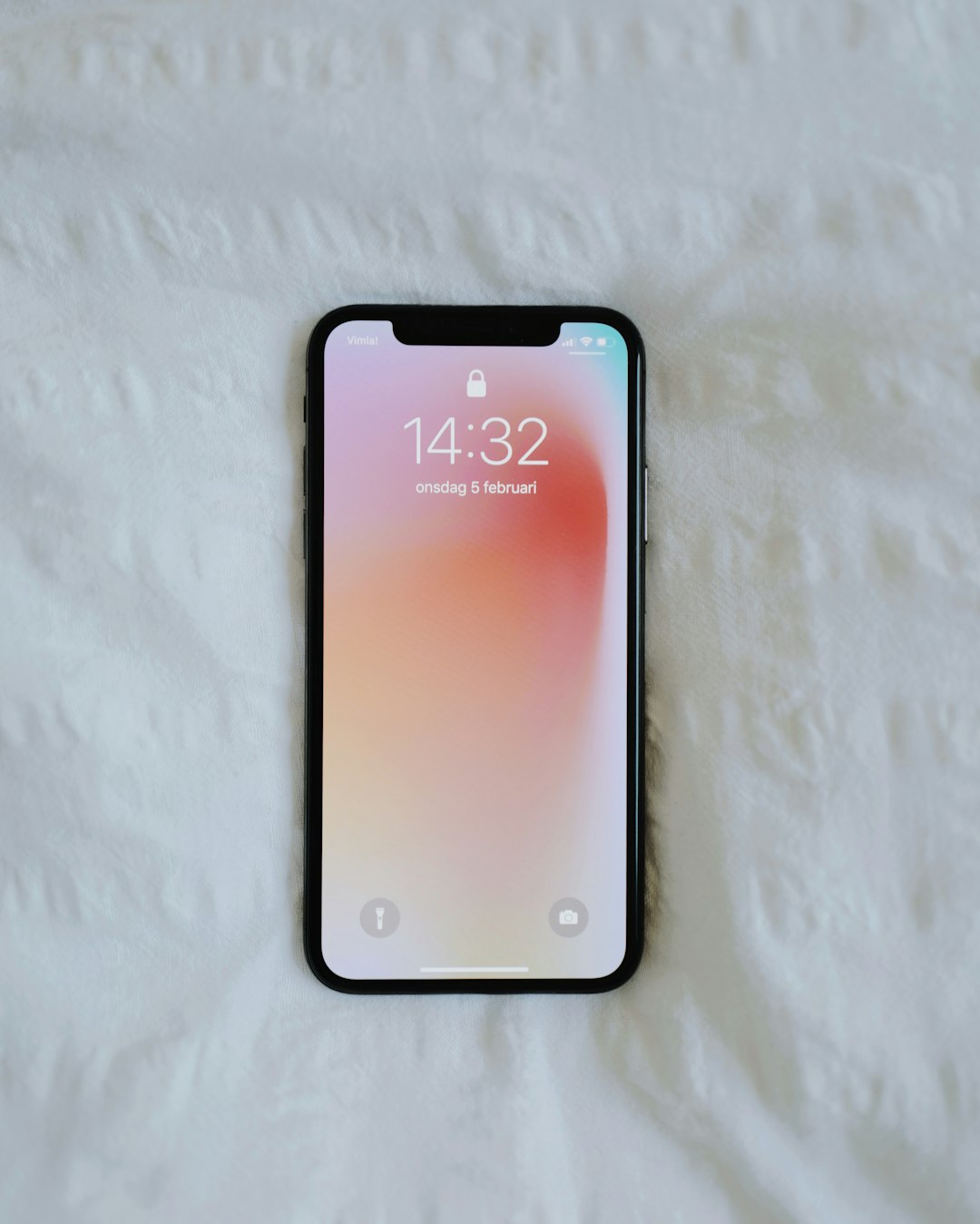
Louisiana consumers have a powerful ally in their fight against unwanted commercial spam texts thanks to state law. The Louisiana Do Not Call Law, specifically targeting text messages, grants residents the right to silence intrusive marketing attempts, protecting them from relentless spamming by out-of-state and local businesses alike. This legislation recognizes the value of personal space and privacy in the digital age, empowering Louisianans to control their communication channels.
The law’s effectiveness is evident in its broad reach, prohibiting any unsolicited commercial text messages, including those from law firms offering legal services. Imagine receiving a flurry of spam texts from various sources every day; this intrusive practice is now a thing of the past for Louisiana residents. The Do Not Call Law provides a straightforward mechanism for consumers to register their numbers and opt-out of such messaging, ensuring their peace of mind. For instance, a recent study revealed that over 70% of Louisiana mobile users have opted out of receiving promotional text messages, showcasing the public’s strong preference for this privacy measure.
Protecting consumer rights goes beyond individual relief; it fosters a sense of fairness and equality in the marketplace. By holding businesses accountable for their marketing practices, Louisiana reinforces its commitment to digital citizenship and personal freedom. Consumers can take active steps to safeguard their rights by reviewing their phone settings, contacting relevant authorities if violations occur, and supporting legislation that strengthens privacy protections. This proactive approach ensures that Louisiana remains a leader in safeguarding consumer rights in the digital realm.